
Innovations and Patents
Highlighting key achievements and research contributions in forensic science.
Preservation of Dead Bodies
Dr. Dinesh Rao's innovative technique for preserving the dead is a significant advancement in forensic science. His method, known as 'Mumbalming', allows for the preservation of human bodies for several years in normal temperature and surroundings. The technique has been applied on various bodies, including infants and older adults, and has shown promising results in preventing decay and decomposition. Dr. Rao's work has been presented to medical students and doctors, and it has received positive feedback from experts who have witnessed the process. This technique could potentially lead to the preservation of historical figures and their remains for future generations to see how they looked when they were alive.
Coveron Technique – An Innovative Technique to Contain the Spread of Infection from the Dead Body.
1. State the Objective of the Invention:
- To contain the spread of infection from the dead body, irrespective of the known cause of death, in high-risk cases.
- To facilitate handing over of the dead body to family members so as to enable them to perform customary last rites and rituals.
- To prevent the spread of infection to all individuals involved in handling the dead body in cases of unknown or infective causes of death (high-risk), such as Hepatitis, COVID-19, Ebola, etc.
2. The problem for which the solution was researched:
- To check contagion at the source within the body and thereby prevent its spread during handling and funeral processes.
- To allow family members to exercise their rights over the body, including rituals and final disposal.
- To ensure that customs and beliefs associated with the deceased family member are preserved.
- To honor the dignity of the dead, which is a responsibility of a civilized society.
- At present, family members and relatives are deprived of their rights to collect the body and perform last religious rites in deaths caused by known and unknown infections such as COVID-19, Ebola virus, Hepatitis, etc.
Effects of human decomposition on testfired bullet–An experimental research.
This experimental research was conducted in 2011 in Kingston, Jamaica, to study the effects of corrosion on bullets retrieved from decomposing bodies. A total of six firearms were used, with each bullet serving as its own control. Seven sets of bullets were test-fired: one control set was embedded in a body and stored at 2–4 °C, while the remaining six sets were embedded in fresh cadavers and exposed to environmental temperatures ranging from 26–29 °C for a period of 12 days.
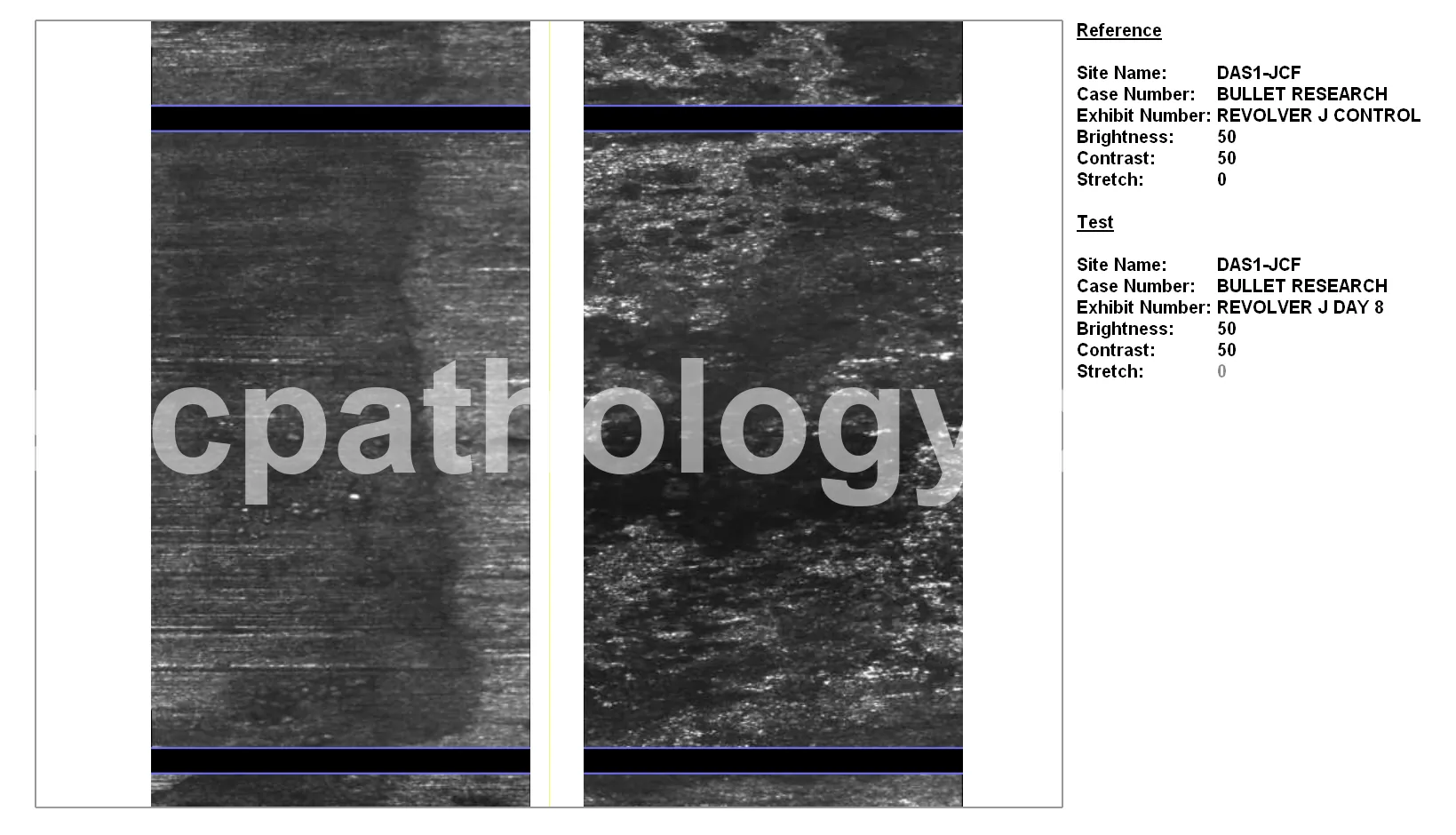
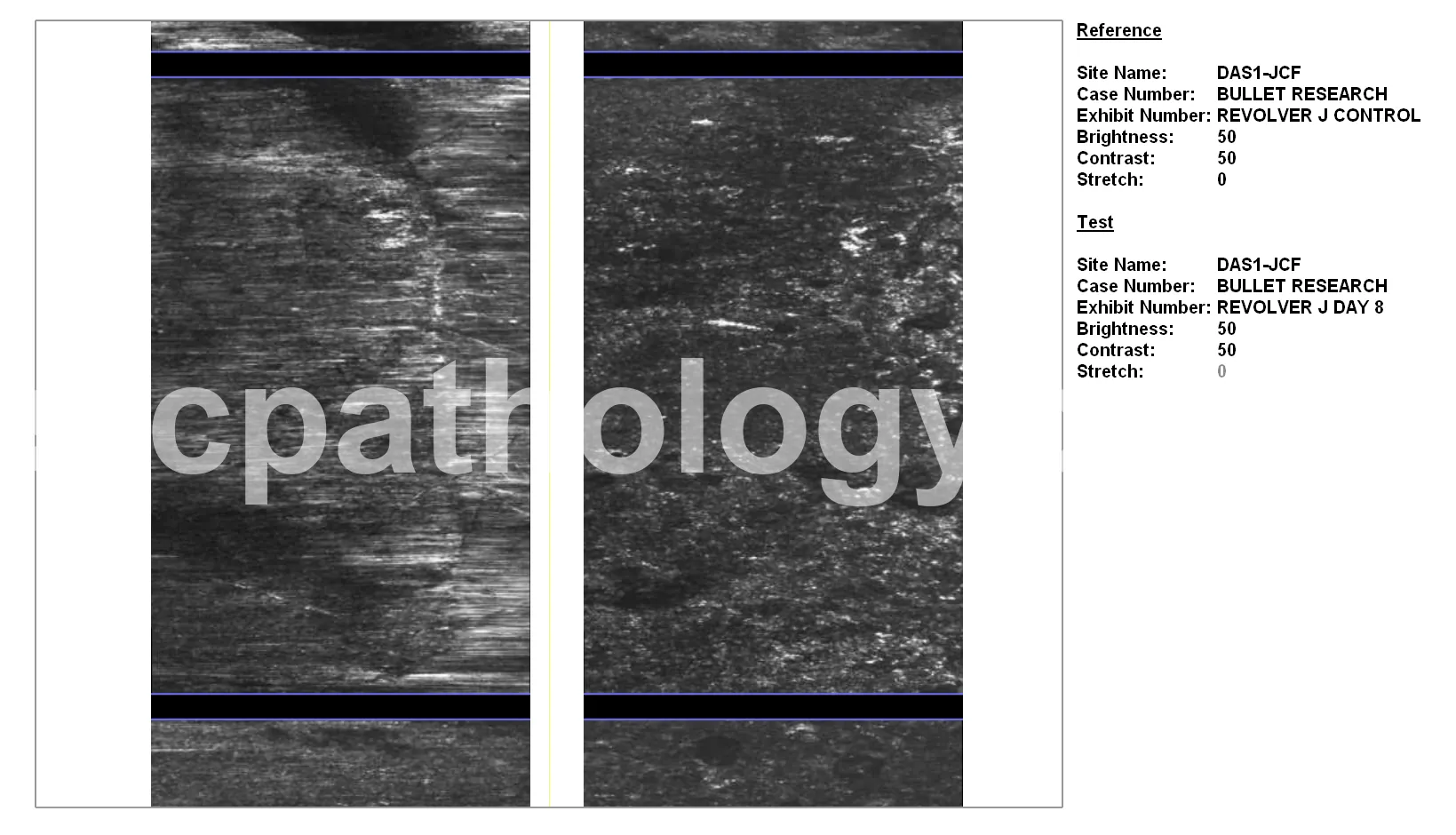
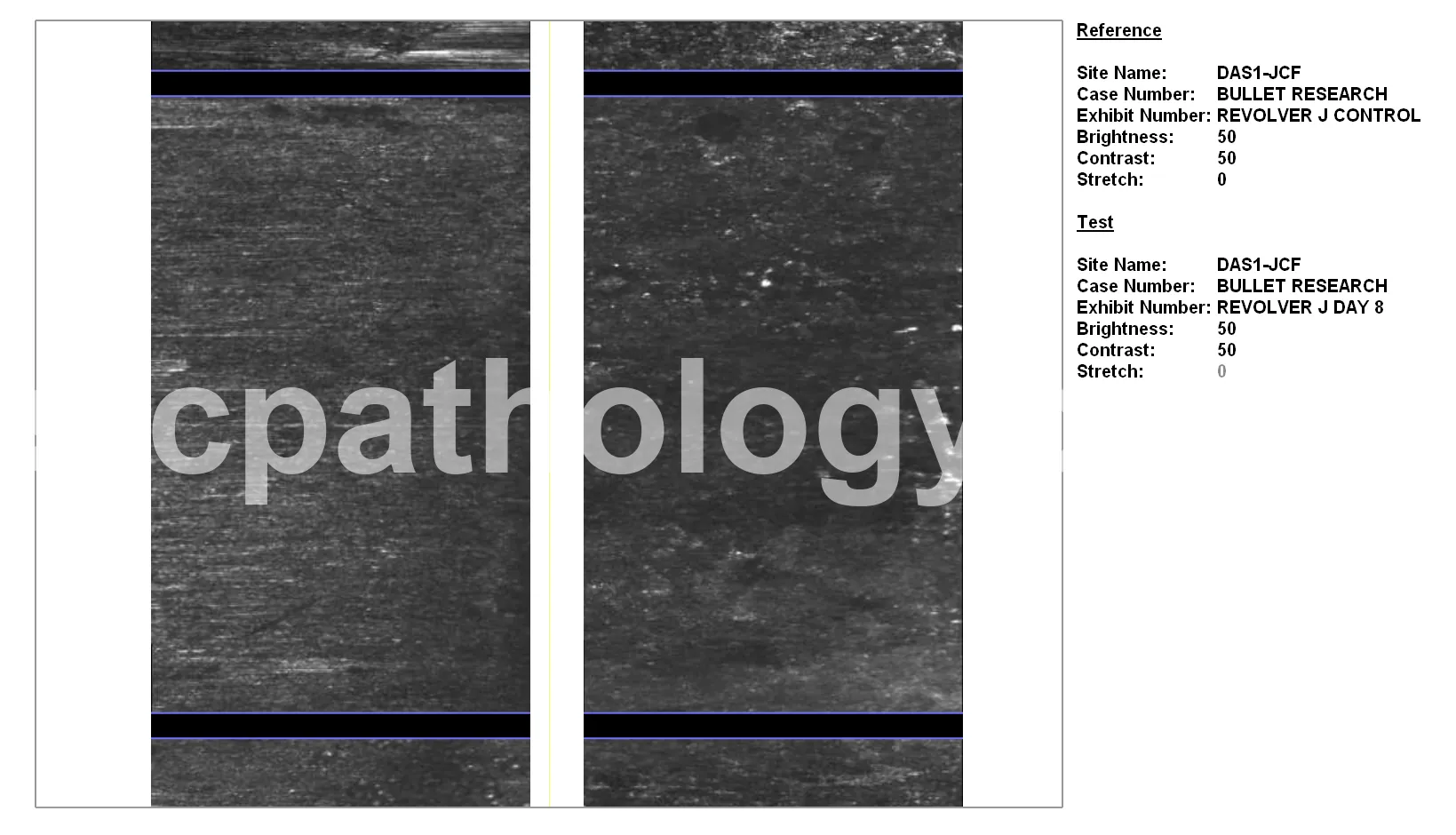
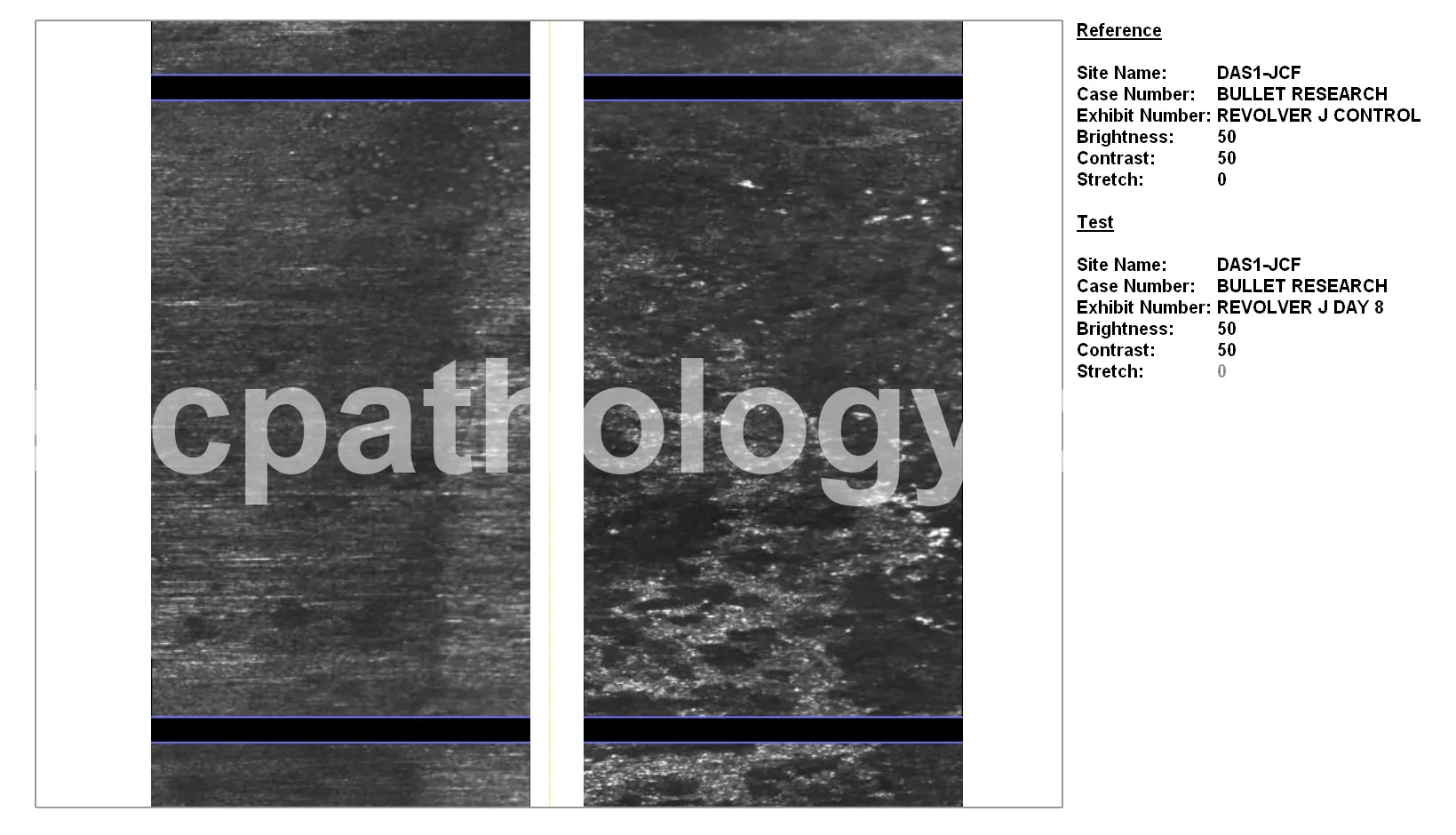
Macroscopic examination revealed near-obscuration of class characteristic markings (major countable striations) by the 6th day, with complete corrosion observed by the 8th day. As early as the 2nd day, the onset of biofilm formation resulted in corrosive changes to the rifling marks. By the 4th day, biofilm development and microbiologically induced corrosion had obliterated 100% of linear macroscopic striations (microstriae or individual characteristics) and approximately 50% of class characteristic rifling marks.
Comparative microscope analysis showed that the microscopic individual characteristics in the form of microstriae were completely corroded or obscured by the 10th day. The bullet surfaces appeared smooth, with corrosion initiating on the 2nd day and causing approximately 50% obscuration of markings by the 4th day. These corrosion patterns were consistent across all ammunition types used in the study, whereas the control bullets exhibited no such changes throughout the study period.
This study confirms the potential forensic risk associated with bullets recovered from putrefied bodies. It underscores the critical importance of early recovery of deceased individuals in firearm-related deaths, as well as the necessity for proper storage facilities to preserve ballistic evidence.


SAEKIT – Sexual Assault Examination Kit.
The Sexual Assault Examination Kit (SAEKIT) is exclusively designed to facilitate the medical examination of sexual assault cases, systematic evidence collection and handling, secure preservation of evidence, and maintenance of an efficient chain of custody. In addition, the kit assists medical practitioners in accurate description and proper documentation of assault findings.
SEXUAL ASSAULT EXAMINATION KIT
- Dimensions: Length – 60 cm; Width – 30 cm; Height – 50 cm
The kit contains essential swab materials, slides for smear preparation, and tubes with preservatives for blood and urine samples. It also includes polythene evidence bags for securing clothing, nail scrapings, and pubic hair samples.
All examination findings are documented using the standardized formats provided with the kit, and the final medical opinion is recorded accordingly. The kit further includes a formal communication letter addressed to the forensic science laboratory, along with a comprehensive checklist to ensure completeness and continuity of forensic analysis.
Innovative Technique to Trace the Unidentified/ Unclaimed Dead Bodies (UIDB) or Missing Persons.
Tracing the identity of unidentified dead bodies (UIDBs) and reuniting missing persons with their families remains one of the most significant challenges faced by law enforcement agencies. Incidents involving UIDBs and missing persons are reported in hundreds every day across the country.
Under the existing systems for identifying UIDBs or locating missing persons, it is extremely difficult for family members to trace or claim unidentified bodies or to locate missing individuals. The large number of unclaimed dead bodies and the persistent untraceability of missing persons stand as clear evidence of the limitations of current methods.
In view of these challenges and the inherent shortcomings of the existing system, an innovative technique is proposed to effectively address this issue. The proposed system enables the tracing and identification of missing persons or unidentified dead bodies within 24 hours, from any part of the country, thereby significantly improving efficiency, accessibility, and response time.
A Study of Disseminated Intravascular Coagulation in Routine Autopsies.
This study investigated the incidence of Disseminated Intravascular Coagulation (DIC) in routine medico-legal autopsies conducted over a four-year period from January 2003 to December 2006. During this period, a total of 418 medico-legal autopsies were performed, of which 21 cases were confirmed to have DIC.
The study was primarily based on morbid anatomical and histopathological findings. Wherever possible, clinical correlation was attempted through review of antecedent case histories and available medical records. The presence of at least a single microthrombus in any one organ was considered diagnostic of DIC.
The findings revealed significant discrepancies between clinical diagnoses and autopsy results, indicating lapses in clinical recognition of DIC. Incidental detection of DIC was noted in burn and trauma cases, underscoring the need for heightened clinical alertness in patients at risk of developing DIC.
Of the 21 confirmed DIC cases, only 12 patients had received hospital treatment, and among these, DIC was clinically suspected in only 2 cases. Microthrombi were most frequently observed in the kidneys (71.43%) and lungs (66.66%), while the spleen showed the least involvement (n = 1). Hemorrhages were most commonly reported in the kidneys (n = 11) and were least frequent in the liver and brain. External manifestations of hemorrhage were observed in only a few cases (n = 3).
The study further emphasized the importance of recognizing DIC as an immediate cause of death, arising from various underlying pathological mechanisms, and highlighted the critical role of accurate and timely diagnosis in clinical practice.